1000 Sudoku Puzzles: Design Assets
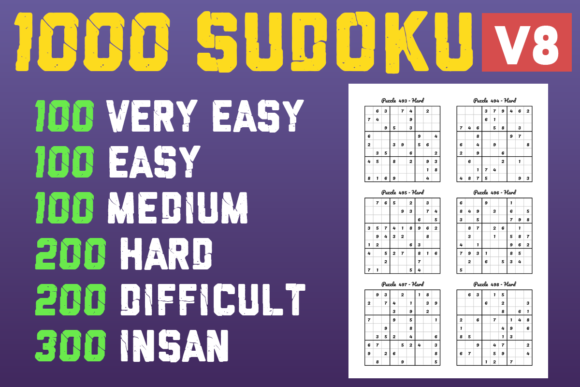
Streamlining your creative workflow often means finding high-quality, pre-formatted assets that maintain professional standards without consuming hours of production time. For designers and publishers exploring the lucrative low-content book market, 1000 Sudoku Puzzles with 6 Levels V6 serves as more than just a collection of games; it is a comprehensive design resource that solves layout challenges instantly. Do you want to start selling low content? You know that activity puzzle books are products that convert very well, and you too want to take advantage of this opportunity. However, the various stages of creating and publishing a paperback are long, and creating an interior can be time-consuming, especially when you don’t know how to go about it. This asset package handles the structural heavy lifting, allowing you to focus on branding, cover design, and marketing strategy.
The Role of Structured Assets in Editorial Design
In modern graphic design and editorial layout, consistency is paramount. When designing puzzle books or interactive print materials, the visual hierarchy must guide the user effortlessly through varying levels of complexity. This specific collection provides a ready-made framework that adheres to best practices in typography and spacing. By utilizing pre-organized content, designers can ensure that readability and user experience (UX) remain high across all 1,000 puzzles. This is particularly relevant for those building a brand identity around cognitive wellness or educational entertainment, where trust is established through clean, error-free presentation.
The inclusion of both PDF and PPT files offers significant flexibility for creative projects. While the PDF serves as a print-ready foundation for packaging design and physical merchandise, the PowerPoint file acts as an editable template. This allows designers to adjust grid lines, modify fonts to match a specific color palette, or integrate logo design elements directly into the puzzle pages without rebuilding the layout from scratch.
Breakdown of Difficulty Levels for User Engagement
Effective UX design relies on meeting audience expectations through logical progression. This asset pack is structured to support a seamless user journey, which is essential for retention in activity books. The content organization includes:
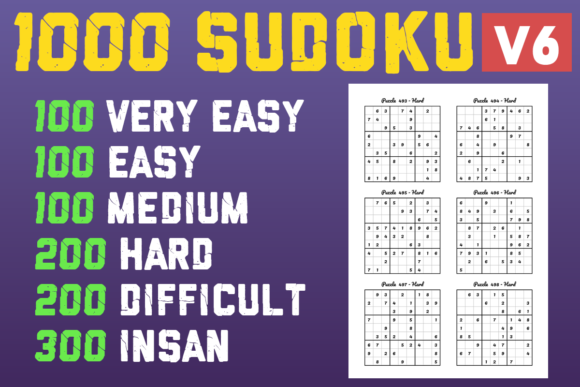
- 100 Very Easy & 100 Easy Puzzles: Ideal for warm-up sections, establishing confidence, and testing initial layout readability.
- 100 Medium Puzzles: The bridge section requiring balanced whitespace and clear typographic contrast.
- 200 Hard & 200 Difficult Puzzles: Core engagement content where grid precision becomes critical for user satisfaction.
- 300 Insane Sudoku Puzzles: High-complexity layouts that demand meticulous attention to line weight and number placement to prevent visual clutter.
Practical Applications Across Creative Disciplines
Beyond traditional publishing, these structured grids offer versatile applications in digital marketing and visual communication. Designers can repurpose individual puzzle layouts for social media graphics, creating engaging "pause-and-solve" content that boosts interaction rates. In web design and UI contexts, the clean geometric structure of Sudoku grids can inspire modular layout systems or serve as interactive background elements that reinforce a brand’s analytical or problem-solving identity.
For advertising campaigns and presentations, the PPT file enables quick customization. Marketers can overlay branded messaging or use the puzzle format as a unique storytelling device during corporate workshops. This transforms a standard activity into a branded touchpoint, enhancing professional presentation quality while providing tangible value to the audience. Furthermore, for merchandise and packaging design, the high-resolution nature of the source files ensures that prints remain crisp, maintaining the premium aesthetic required for retail success.
Tips for Integrating Puzzle Assets Effectively
To maximize the impact of these creative assets, consider the following design principles:
- Maintain Visual Hierarchy: Ensure that the distinction between difficulty levels is reflected visually through subtle changes in header typography or section dividers.
- Prioritize Readability: Even with pre-made interiors, always verify that font sizes and grid spacing meet accessibility standards for your target demographic.
- Brand Consistency: Use the editable PPT file to apply your specific color palette and logo placement uniformly across all 1,000 pages.
- Test Print Quality: Always run physical proofs to check ink spread on grid lines, ensuring the final product matches your digital design vision.
Ultimately, successful low-content publishing and effective visual communication rely on the intersection of efficiency and aesthetics. By leveraging comprehensive resources like this puzzle collection, designers can bypass tedious technical setup and dedicate more energy to crafting compelling brand narratives and polished user experiences. Thoughtful selection and customization of such assets not only accelerate production timelines but also elevate the perceived value of the final product, ensuring it stands out in a competitive marketplace through superior design quality.