Evaluating the Halloween Sketchbook and Notes Interior for KDP Publishing
For self-publishers and low-content book creators, the transition into Q4 requires assets that balance seasonal appeal with functional utility. The Halloween Sketchbook and Notes interior template addresses this specific market need by providing a structured yet flexible foundation for seasonal publications. Unlike generic lined journals, this resource is designed specifically for the niche of Halloween enthusiasts, artists, and planners who require a dedicated space for creative expression and organization during the autumn season. Understanding the technical specifications and practical applications of this interior is essential for publishers aiming to produce high-quality books that stand out in a saturated marketplace.
Technical Specifications and Print Readiness
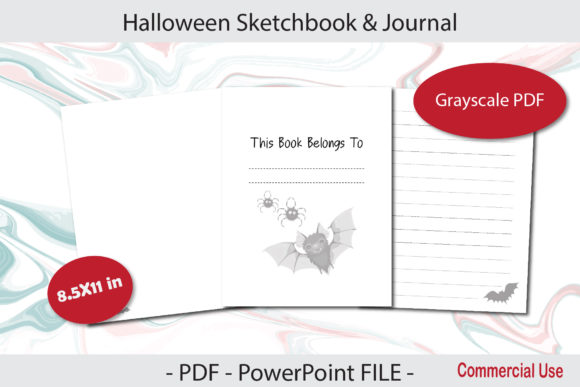
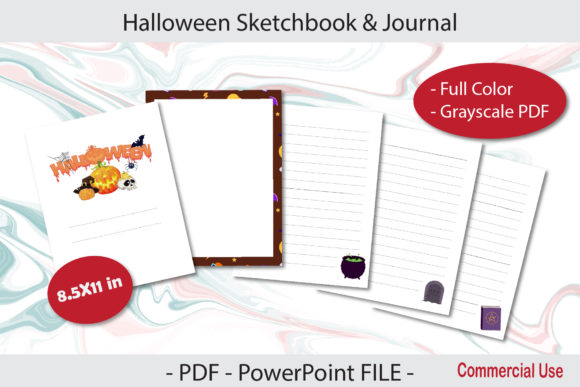
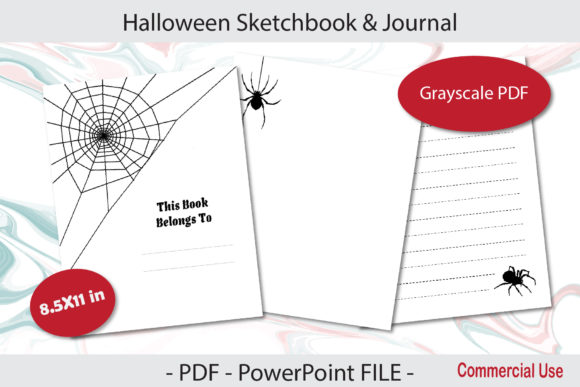
The viability of any KDP interior relies heavily on its adherence to Amazon’s printing standards. This Halloween Sketchbook and Notes file is configured for the industry-standard 8.5×11 inch trim size, which offers ample surface area for sketching and detailed note-taking. The 120-page count is a strategic choice; it provides sufficient volume to be perceived as a substantial workbook or journal while remaining within a cost-effective page range for paperback printing. This balance helps maintain competitive pricing without sacrificing perceived value.
Critically, the file includes bleed settings. For creators incorporating illustrations, borders, or background textures that extend to the edge of the page, bleed is non-negotiable. Files lacking proper bleed often result in unwanted white margins or cropped artwork after trimming. This template accounts for the necessary safety margins and gutter space, reducing the risk of rejection during the KDP review process. The availability of both PDF and PowerPoint formats further enhances its utility. While the PDF serves as the final print-ready document, the editable PowerPoint file allows publishers to customize elements, adjust spacing, or modify the title page to match their specific cover design. This flexibility is vital for maintaining brand consistency across a series of seasonal books.
Grayscale Optimization for Standard Ink
The interior is provided as a grayscale file, which aligns with standard black-and-white ink printing options. This is a significant consideration for profit margins. Premium color printing drastically increases production costs, often making seasonal notebooks financially unviable at lower price points. Grayscale interiors allow for intricate shading, atmospheric designs, and detailed line work without incurring color premiums. When evaluating this asset, verify that the contrast levels are optimized for standard paper stock. KDP’s standard white paper can sometimes render light grays as washed out or muddy; a well-prepared grayscale template ensures that spooky aesthetics remain crisp and legible in physical print.
Functional Design and User Experience
A successful Halloween Sketchbook and Journal must serve a dual purpose: it must be aesthetically thematic and functionally practical. Users in this niche are often looking for more than just blank pages; they seek prompts, frames, or layouts that inspire creativity related to the season. The coordinating inside cover and title page included in this package provide a polished, professional opening experience. In low-content publishing, the first few pages set the tone for the entire user experience. A disjointed or generic title page can undermine the immersive quality of a themed journal. By including these coordinating elements, the template ensures a cohesive visual narrative from the moment the reader opens the book.
The layout typically balances open sketching areas with structured note-taking sections. This hybrid approach caters to a diverse audience, from costume designers sketching concepts to event planners organizing haunted house logistics. The inclusion of specific "Notes" sections distinguishes this product from a pure sketchpad, expanding its keyword relevance and potential use cases. From a usability standpoint, the spacing should allow for various writing instruments. If the lines are too narrow or the sketch boxes too small, the book becomes frustrating to use. Effective interiors prioritize whitespace and margin integrity, ensuring the user has adequate room to create without fighting the page structure.
Strategic Applications for Publishers and Creators
Integrating the Halloween Sketchbook and Notes into a publishing portfolio requires a strategic approach to differentiation. Because this is an "Interior Only" asset, the burden of marketability falls entirely on the cover design and metadata. Publishers should view this interior as a canvas rather than a finished product. The editable nature of the source files allows for significant customization. Adding unique value propositions—such as specific prompt lists, local event planning trackers, or specialized grids for pixel art—can transform a standard template into a proprietary product.
For educators and workshop facilitators, this interior serves as an excellent resource for seasonal art classes or creative writing workshops. The 8.5×11 format is ideal for classroom settings, and the grayscale design allows for easy photocopying if digital distribution is preferred over direct sales. Entrepreneurs in the party planning or horror entertainment sectors may also find value in bundling this journal with other services or products as a branded giveaway or upsell item. The professional presentation of the interior lends credibility to these ancillary uses, positioning the book as a legitimate tool rather than a novelty trinket.
Audience Alignment and Niche Suitability
Understanding who actually buys and uses a Halloween Sketchbook and Journal is crucial for effective marketing. The primary demographic extends beyond children; adults aged 20–50 represent a significant portion of the seasonal stationery market. This includes:
- Costume and Prop Makers: Professionals and hobbyists who need dedicated space for technical drawings, material swatches notes, and construction timelines.
- Seasonal Content Creators: Bloggers, influencers, and social media managers planning October content calendars, photo shoot concepts, and engagement strategies.
- Event Planners: Individuals organizing parties, hayrides, or community events who require a thematic organizer that separates seasonal tasks from daily life.
- Art Therapy Practitioners: Facilitators using seasonal themes to guide mindfulness and creative expression exercises during the fall months.
Each of these sub-niches has distinct requirements. A prop maker needs technical precision, while an art therapy participant benefits from open, unstructured space. Evaluating whether this specific interior meets the needs of your target sub-niche is a necessary step before publication. If the template leans heavily toward structured note-taking, it may not suit pure artists, and vice versa.
Quality Assessment and Limitations
While pre-made interiors offer efficiency, they come with inherent limitations that publishers must navigate. The primary concern with any shared asset is saturation. If hundreds of sellers use the exact same Halloween Sketchbook and Notes file without modification, the market becomes flooded with identical-looking products. To mitigate this, users should leverage the PowerPoint file to alter fonts, rearrange page orders, or insert custom dividers. Even minor adjustments can significantly reduce the likelihood of duplicate content flags and improve the book's uniqueness.
Another consideration is the resolution and vector quality of the included graphics. Grayscale does not excuse pixelation. Before uploading, always inspect the PDF at 100% zoom to check for jagged edges or blurry text. Low-resolution interiors lead to poor customer reviews, which can permanently damage a listing’s ranking. Additionally, verify the licensing terms associated with the asset. Ensure that commercial use for KDP is explicitly permitted and that there are no restrictions on the number of publications or required attribution. Professional due diligence in this area prevents legal complications and account suspensions.
Paper quality is another external factor affecting the user experience. KDP standard paper is relatively thin (approximately 55# or 90 GSM). Heavy marker use or wet media will likely cause bleed-through, regardless of how well the interior is designed. Publishers should manage customer expectations by clearly stating in the book description that the journal is best suited for pencils, pens, and light markers. Suggesting the use of blotter pages or recommending specific mediums demonstrates transparency and builds trust with buyers who are serious about their craft.
Long-Term Value and Workflow Integration
The true measure of this resource lies in its integration into a sustainable publishing workflow. Seasonal products have a limited sales window, typically peaking between September and late October. Efficiency is paramount. Having a tested, reliable interior like the Halloween Sketchbook and Notes reduces production time, allowing publishers to focus on cover design, keyword research, and advertising. Over time, this asset can serve as a baseline for developing a proprietary series. By analyzing sales data and customer feedback from the initial release, creators can iterate on future versions, adding features that specifically address user requests or identified gaps.
Furthermore, the skills developed in customizing and publishing this interior are transferable to other seasonal niches. The principles of grayscale optimization, bleed management, and audience-specific layout design apply equally to winter holiday journals, spring gardening planners, or summer travel logs. Treating this Halloween asset as a learning opportunity rather than a one-off product maximizes its return on investment. For professionals and serious hobbyists, the goal is not just to publish a single book, but to build a scalable system for creating high-quality, niche-specific printed materials year-round.
Ultimately, the decision to utilize this interior should be based on a realistic assessment of your current capabilities and market goals. It offers a robust starting point for those who understand the importance of customization and quality control. When paired with original cover art and targeted metadata, the Halloween Sketchbook and Notes interior functions as a reliable component in a broader seasonal publishing strategy, providing tangible value to both the creator and the end user.