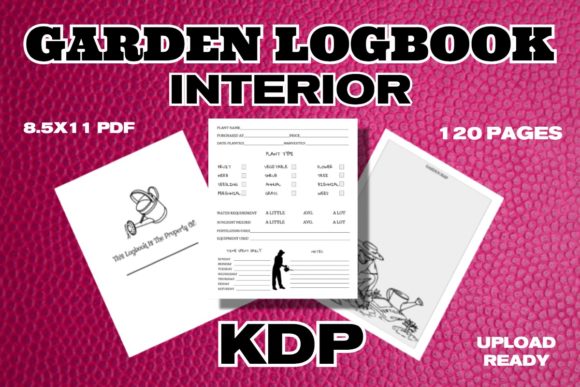
Evaluating the KDP Garden Logbook Interior for Low-Content Publishing
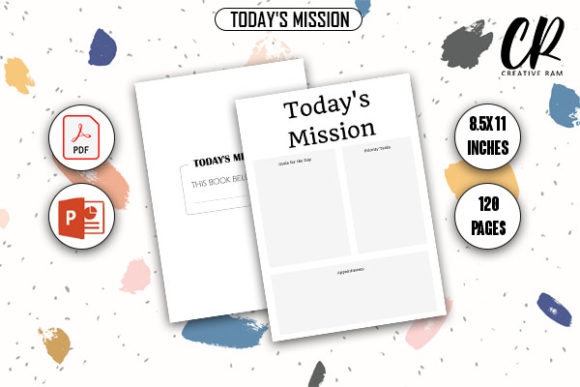
The low-content and medium-content publishing market on Amazon KDP has matured significantly, moving beyond simple lined journals into specialized functional tools. Among these, gardening remains a consistently high-demand niche with seasonal peaks and an evergreen audience of hobbyists, homesteaders, and plant enthusiasts. For publishers evaluating entry points into this category, a pre-formatted KDP Garden Logbook Interior offers a distinct balance of speed-to-market and structural utility. This specific resource provides a 120-page manuscript formatted at 8.5x11 inches, designed to be print-ready upon the addition of a cover. Understanding where this type of pre-made interior fits within a broader publishing strategy requires analyzing its specifications, customization potential via included PowerPoint files, and tradeoffs compared to designing from scratch or using alternative generation tools.
Defining the Asset and Technical Specifications
A KDP Garden Logbook Interior is more than a blank notebook; it is a structured template intended to guide user interaction. The 8.5x11 inch format is the industry standard for logbooks because it provides sufficient horizontal space for recording detailed data points such as planting dates, soil amendments, weather conditions, and harvest yields without cramping handwriting. At 120 pages, the book strikes a practical balance between comprehensiveness and spine width. A thinner book may appear insubstantial to buyers browsing physical dimensions, while a significantly thicker logbook can become unwieldy for field use in a garden setting.
The inclusion of two PowerPoint files (older and newer versions) is a critical differentiator for this asset. Unlike static PDF interiors that lock the publisher into a fixed design, editable source files allow for iterative improvement. This capability transforms the product from a static commodity into a flexible foundation. Publishers can adjust margins to accommodate binding shifts, modify header fonts to match a new cover aesthetic, or add specific tracking tables relevant to sub-niches like hydroponics or bonsai. This editability addresses one of the primary criticisms of pre-made interiors: the lack of uniqueness. By modifying even 10-15% of the content, a publisher can create a distinct product variation while retaining the core structural integrity of the logbook.
Licensing and Commercial Freedom
One of the most significant decision factors for KDP publishers is intellectual property security. This garden logbook interior comes with no copyright license restrictions, granting full commercial rights. In the low-content space, many templates are sold with restrictive licenses that prohibit modification or limit the number of end products. The unrestricted nature of this asset allows for derivative works, bundling, and unlimited publication. However, this freedom necessitates responsibility. Because the base file is accessible to multiple buyers, the onus is entirely on the publisher to differentiate their final product through cover design, title optimization, and interior modifications to avoid duplicate content flags or marketplace saturation.
Comparative Analysis: Pre-Made vs. Custom Design
When deciding whether to utilize this KDP Garden Logbook Interior or pursue alternative creation methods, publishers must weigh time investment against potential market differentiation. There are three primary approaches currently dominating the gardening logbook sector:
- Custom Design from Scratch: Using software like Adobe InDesign or Affinity Publisher allows for total creative control and unique selling propositions. However, this approach requires significant design expertise and dozens of hours to create a functional, error-free layout. It is best suited for publishers building a long-term brand who have validated a specific gap in the market that existing templates cannot fill.
- AI and Automated Generators: Various tools now generate logbook interiors algorithmically. While fast, these often lack the thoughtful UX of a human-designed template. Spacing may be inconsistent, prompts may be generic, and the overall feel can be sterile. These are useful for high-volume testing but often result in lower customer satisfaction scores due to usability issues.
- Pre-Made Editable Interiors (This Option): This middle-ground approach sacrifices absolute originality for proven structure and speed. The 120-page layout has likely been tested for functionality. The tradeoff is that other sellers may have access to similar bases. Success here depends less on the interior's novelty and more on marketing, cover quality, and niche targeting.
For publishers aged 20–50 who are balancing publishing with other professional or personal commitments, the editable pre-made interior often represents the highest return on time invested. It eliminates the technical learning curve of book formatting while avoiding the quality pitfalls of pure automation.
Evaluating Fit for Different Publishing Goals
The suitability of this specific garden logbook interior depends heavily on the publisher’s current objectives and resources. It is rarely a universal solution but serves specific strategic needs effectively.
Best-Fit Scenarios:
- Seasonal Timing: Gardening books experience massive search volume spikes in late winter and early spring. If a publisher identifies this trend in January, designing from scratch may miss the window. This ready-to-upload interior allows for market entry within days, capturing seasonal traffic.
- Niche Testing: Publishers exploring adjacent niches (e.g., "Urban Balcony Gardening" vs. "Vegetable Patch Planning") can use the same base interior with modified titles and covers to test market demand without tripling design costs.
- Bundling Strategy: For authors with existing gardening guides or cookbooks, this logbook serves as an excellent companion product. The ability to modify the interior ensures branding consistency across the series.
Situations Requiring Alternatives:
- Premium Market Positioning: If the goal is to sell a $24.99 premium leather-bound style journal, a standard pre-made interior may not justify the price point. Premium products require bespoke layouts, higher paper quality considerations, and unique value adds like tear-out pages or integrated reference charts.
- Digital-First Products: This interior is optimized for print. Publishers focusing on digital planners for tablets will find the 8.5x11 static format unsuitable and should seek hyperlinked digital templates instead.
- Highly Specialized Data Tracking: General garden logbooks cover basics. Publishers targeting professional growers or botanical researchers needing specific pH tracking, pest lifecycle charts, or germination rate calculations will need to heavily modify this template or design custom solutions.
Strategic Modifications and Value Addition
To maximize the viability of this KDP Garden Logbook Interior in a competitive marketplace, publishers should view the provided PowerPoint files as a starting point rather than a finish line. Strategic modifications can significantly enhance perceived value and reduce direct competition.
Content Layering: Consider adding 4-6 pages of region-specific planting calendars or frost date references at the front of the book. This transforms a generic logbook into a localized resource. Even simple additions like a "Garden Layout Grid" section or a "Seed Inventory Tracker" can differentiate the product. The editable PPT format makes inserting these sections straightforward without disrupting the existing page numbering if managed correctly.
Visual Consistency: Ensure any modifications match the typography and styling of the cover. A common failure point in low-content publishing is a disconnect between a professional cover and a generic interior. Using the editable files to update headers, footers, and decorative elements to mirror the cover art creates a cohesive user experience that drives positive reviews.
User Experience Testing: Before final upload, print a test copy. Verify that writing spaces are adequate for actual pen use, that gutters don’t consume data entry fields, and that the paper opacity (standard KDP white paper) works with the ink density of the design. The 8.5x11 size is generous, but margin errors in pre-made templates can render outer columns unusable. Physical validation prevents negative feedback regarding usability.
Making an Informed Acquisition Decision
The decision to utilize this KDP Garden Logbook Interior should be based on a realistic assessment of market position and resource allocation. It offers a pragmatic solution for publishers seeking to enter the gardening niche with minimal friction while retaining enough flexibility to build a defensible product. The absence of copyright restrictions and the inclusion of editable source files mitigate the primary risks associated with pre-made content.
However, success is not inherent to the asset itself. The gardening niche rewards utility and specificity. Publishers who treat this logbook as a complete solution will likely face commoditization. Those who leverage the editable nature to tailor the content to specific gardener personas—whether novice container gardeners or experienced permaculture practitioners—will find this resource accelerates their path to market. Evaluate your current catalog, your design capabilities, and your timeline. If speed and structural reliability outweigh the need for bespoke artistry, this interior represents a sound foundational investment. If your strategy relies on premium differentiation or highly specialized data architecture, allocate resources toward custom development instead. Ultimately, the tool serves the strategy, not the reverse.