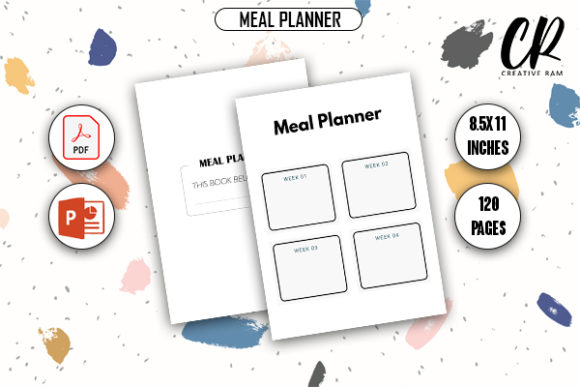
Free Meal Planner KDP Interior: PDF & PPTX Files
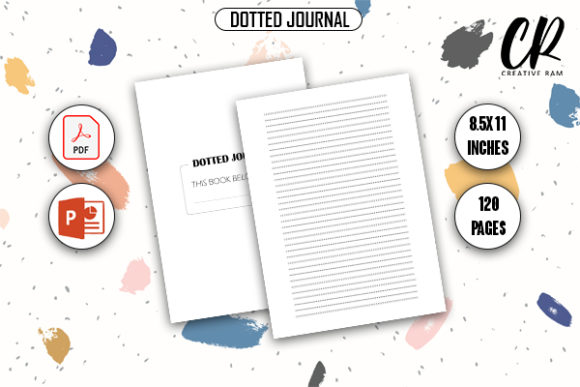
Creating a successful low-content book on Amazon KDP often hinges on the balance between speed to market and product quality. For publishers targeting the health, wellness, and organization niche, the Free Meal Planner - KDP Interior offers a strategic starting point. This resource provides a pre-formatted 120-page layout designed specifically for the 8.5" x 11" trim size, complete with bleed settings. By offering both high-quality print-ready PDFs and editable PPTX source files, this interior template addresses two critical needs for self-publishers: immediate upload capability and long-term brand customization.
The value of this specific interior lies in its technical readiness and flexibility. Rather than spending dozens of hours designing grids, headers, and tracking sections from scratch, creators can leverage a professional foundation. This allows for a focus on cover design, keyword research, and marketing strategy rather than repetitive layout tasks. Whether you are an experienced publisher expanding your catalog or a new entrepreneur testing the waters of digital publishing, understanding how to utilize these files effectively can significantly streamline your production workflow.
Technical Specifications and Print Readiness
One of the most common hurdles in KDP publishing is formatting errors during the upload process. Margins that are too narrow or bleed settings that do not align with Amazon’s strict requirements can lead to rejected manuscripts or poor print quality. The Free Meal Planner - KDP Interior eliminates this friction by adhering to precise specifications. The document is set to 8.5" x 11" inches, which is the industry standard for meal planners and journals. This size offers ample writing space for users while remaining cost-effective to print.
The inclusion of proper bleed is particularly important for meal planners where design elements or lines may extend to the edge of the page. This template comes pre-configured with bleed, ensuring that when the book is trimmed during manufacturing, no white borders appear unintentionally. The 120-page count is also strategically chosen; it provides enough content for three to four months of daily planning or a full year of weekly tracking, making it a substantial product without driving up printing costs to a point where profitability becomes difficult. Having a print-ready PDF means you can validate the file in KDP’s previewer and proceed to publication with confidence.
Leveraging PPTX Source Files for Customization
While the ready-to-use PDF is convenient, the true long-term asset is the PPTX source file. PowerPoint is an accessible tool that many creators already own, making it easier to edit than professional software like Adobe InDesign. This accessibility democratizes the ability to create unique products. With the source file, you can modify fonts to match your brand identity, adjust header text to target specific sub-niches (such as "Keto Meal Planner" or "Vegan Prep Journal"), or add proprietary branding elements.
Customization is essential for avoiding duplicate content issues on Amazon. If multiple sellers upload the exact same free interior without modification, algorithms may flag the listings as duplicates, suppressing visibility. By using the PPTX file to alter layouts, change color schemes, or add unique introductory pages, you transform a generic template into a distinct intellectual property. This practice not only protects your account standing but also helps build a recognizable series that customers can trust and return to.
Strategic Applications for Diverse Creators
Different types of publishers will find unique utility in this meal planner interior based on their specific business models. Understanding these use cases helps maximize the return on time invested in customization.
- Health Coaches and Nutritionists: Professionals can use this planner as a lead magnet or a value-add for clients. By customizing the PPTX file to include their logo, website, and specific dietary guidelines, they create a branded tool that reinforces their expertise. Selling this on KDP also creates a passive revenue stream that complements active coaching income.
- Bloggers and Influencers: Content creators in the food space often struggle to monetize beyond ad revenue. A physical meal planner serves as tangible merchandise. Using this pre-made interior allows bloggers to launch a product quickly to capitalize on seasonal trends, such as New Year’s resolutions or summer prep seasons, without derailing their content creation schedule.
- KDP Publishers and Freelancers: For those managing multiple pen names or client accounts, efficiency is paramount. This template serves as a reliable baseline. Freelancers can offer "custom meal planner creation" as a service, using the PPTX file to deliver unique variations to different clients rapidly. The standardized dimensions ensure consistency across a portfolio.
- Educators and Home Economics Teachers: Teaching budget management and nutrition requires practical tools. Educators can adapt this planner for classroom use or student projects. The editable format allows for the addition of educational prompts, grocery budget worksheets, or nutritional fact guides tailored to specific curriculum requirements.
Enhancing User Experience Through Design Choices
A meal planner must be functional to receive positive reviews, which are the lifeblood of KDP sales. When customizing the Free Meal Planner - KDP Interior, prioritize usability over aesthetic complexity. Users need clear sections for breakfast, lunch, dinner, and snacks, as well as dedicated space for grocery lists and water intake tracking. The existing layout provides this structure, but your modifications should enhance readability.
Consider the binding margin when editing the PPTX file. Since this is a 120-page book, the inner gutter requires sufficient whitespace to prevent text from disappearing into the spine. Test your customized version by printing a few sample pages at home before finalizing the PDF. Additionally, think about paper opacity. Standard KDP paper is 55# (90 GSM), which can show through if heavy ink coverage is used. Keep designs clean and line-art based to ensure the best user experience, preventing bleed-through that frustrates customers using markers or gel pens.
Navigating Limitations and Best Practices
While this free resource is powerful, it is important to approach it with realistic expectations. As a freebie, the base design is likely used by others. Relying solely on the unaltered PDF limits your competitive advantage. Treat this interior as raw material rather than a finished product. The goal is to reduce production time, not to eliminate creative input entirely.
Furthermore, verify licensing terms before commercial use. Ensure the provider grants full commercial rights for KDP publishing. Even with rights granted, adding significant original value through customization is ethically and commercially superior to simple replication. Also, consider the seasonality of meal planning. Sales often peak in January and late August. Plan your customization and upload schedule to align with these demand cycles. Uploading in November allows time for indexing before the New Year rush, whereas uploading in February may result in missed opportunities.
Finally, remember that the interior is only half of the equation. A high-converting cover is necessary to get clicks, and optimized metadata is required to get impressions. Use the time saved on interior formatting to conduct thorough keyword research. Analyze competitor covers to identify gaps in the market. Perhaps there is a demand for a "Meal Planner for College Students" or "Family Budget Meal Tracker" that this interior can support with minor text edits. Aligning the versatile PPTX template with specific, underserved search queries is where sustainable success is found.
Streamlining the Path to Publication
The Free Meal Planner - KDP Interior represents a practical intersection of convenience and creativity. It removes technical barriers for beginners while providing a scalable asset for established publishers. By utilizing the 8.5" x 11" print-ready PDF for speed and the PPTX source file for differentiation, creators can build a diverse catalog of health and wellness journals efficiently. Success in this space comes not just from having the right tools, but from applying them thoughtfully to meet specific reader needs. Downloading this resource is the first step; adapting it to serve a distinct audience is what ultimately drives results.