Mastering the 8.25x6 Wedding Guest Book Interior for KDP: A Complete Guide to Low-Content Publishing
The wedding industry is a perennial powerhouse in the self-publishing world, and few items capture the intersection of sentimentality and utility quite like the wedding guest book. For creators utilizing Amazon Kindle Direct Publishing (KDP), the specific dimension of 8.25 x 6 inches has emerged as a gold standard for landscape interiors. This size offers a unique aesthetic that differs significantly from the traditional 8.5 x 11 or square formats, providing a vintage, photo-album feel that modern couples adore.
However, creating a successful Wedding Guest Book for KDP Interior requires more than just selecting a page size. It demands a thorough understanding of technical specifications, user experience design, and platform requirements. Whether you are a seasoned publisher or a beginner looking to enter the low-content niche, understanding the nuances of this specific 150-page, black-and-white interior with bleed is essential for creating a product that is not only ready to use but also commercially viable and professionally polished.
Understanding the Significance of the 8.25 x 6 Inch Trim Size
In the realm of book design, size dictates function. While portrait books are standard for novels and journals, landscape orientations serve a distinct purpose in event stationery. The 8.25 x 6 inch trim size is particularly significant for wedding guest books because it mimics the aspect ratio of classic photography albums and landscape artwork.
Why Landscape Orientation Matters
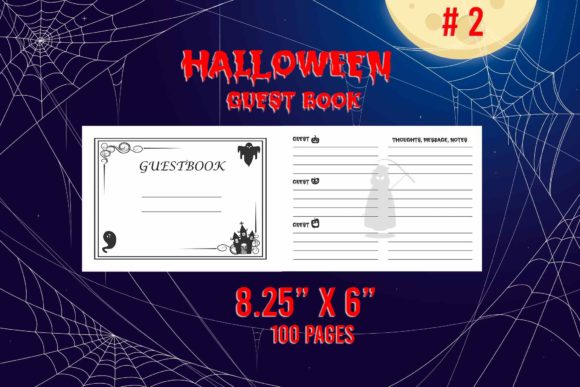
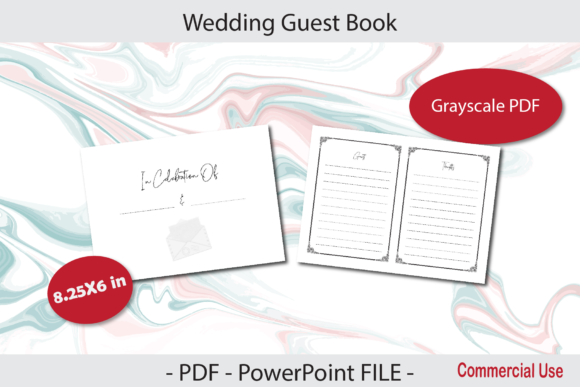
When designing a Wedding Guest Book 8.25X6 in, the horizontal layout changes how guests interact with the book. Unlike a vertical notebook where guests might feel compelled to write long paragraphs, a landscape format naturally encourages brevity and visual balance. This orientation allows for wider columns, making it easier to separate fields such as "Name," "Relationship to Couple," and "Message." Furthermore, when placed on a welcome table or easel, a landscape book presents a broader surface area, making it more inviting and visually prominent in wedding signage displays.
The Sweet Spot of Page Count
A 150-page count is strategically chosen for this specific trim size. In KDP publishing, spine width is determined by page count and paper type. At 150 pages on standard white paper, the spine is substantial enough to be readable and durable, yet not so thick that the book becomes unwieldy for guests to handle while standing at a reception. This page count typically accommodates between 70 and 140 guest entries, depending on whether you utilize single-sided or double-sided layouts, which covers the vast majority of average-sized weddings.
Technical Specifications: Bleed, Margins, and File Formats
One of the most common pitfalls for new KDP publishers is misunderstanding technical print requirements. When sourcing or creating a Wedding Guest Book for KDP Interior that includes bleed, precision is non-negotiable. "Bleed" refers to printing that extends beyond the final trim edge of the book. This ensures that when the guillotine cutter trims the stack of paper, there are no unprinted white edges left behind.
- Bleed Requirements: For an 8.25 x 6 inch book with bleed, your PDF file must actually measure 8.375 x 6.125 inches. That extra 0.125 inches on the top, bottom, and outside edge is crucial. If your design elements touch the edge of the page but your file is exactly 8.25 x 6, KDP will reject it or print it with unintended white borders.
- Safety Margins: Even with bleed, text and critical design elements must remain within the safe zone. For landscape books, maintaining a minimum margin of 0.375 inches on the outside edges and 0.5 inches on the gutter (binding side) prevents content from being trimmed off or swallowed by the binding curve.
- Black and White Standard: Most wedding guest book interiors utilize black and white ink to keep printing costs low and royalty margins high. High-contrast line art, elegant typography, and grayscale patterns work best here. Avoid heavy solid black backgrounds, as they can sometimes cause ink saturation issues on standard KDP paper.
The Value of Editable PowerPoint Files vs. Static PDFs
When acquiring a Wedding Guest Book 8.25X6 in template, receiving both a PDF and a PowerPoint file is a game-changer for customization. While the PDF is the "ready to use" printable file intended for direct upload to KDP, the PowerPoint file serves as your master editing document.
This dual-file approach addresses a critical need in the low-content market: differentiation. Amazon’s algorithm favors unique content. If you upload a generic interior that hundreds of other sellers are using, your listing may be flagged as duplicate content or simply lost in search results. The PowerPoint file allows you to:
- Modify Fonts: Swap out generic serif fonts for trending calligraphy or modern sans-serif typefaces that match current wedding aesthetics.
- Adjust Layouts: Change the spacing of writing lines or add specific prompts like "Advice for the Newlyweds" or "Favorite Memory."
- Update Branding: Ensure the coordinating title page matches your specific cover design, creating a cohesive unboxing experience for the customer.
Having access to the source file transforms a static product into a flexible asset, enabling you to create multiple variations from a single base template.
Designing the Coordinating Title Page and Interior Experience
The prompt specifies that the inside cover title page includes coordinating elements. This is a vital detail often overlooked by beginners. In KDP publishing, the first page of your uploaded PDF is the right-hand page. Therefore, your title page should always be designed as a right-hand page. A professional interior does not start abruptly with lined paper; it begins with a welcoming title page that mirrors the aesthetic of the exterior cover.
Since this product is Interior Only, meaning you must create your own covers, the title page acts as the bridge between your custom cover and the functional interior. It validates the customer's purchase immediately upon opening the book. Effective title pages for this niche often include space for the couple's names, wedding date, and venue location, effectively turning the interior file into a semi-customizable product even without external personalization services.
Practical Relevance in Modern Self-Publishing Businesses
Integrating a tested Wedding Guest Book for KDP Interior into your publishing portfolio fits seamlessly into modern digital business models. This product category exemplifies the "create once, sell repeatedly" ethos of passive income. However, success relies on treating these interiors as foundational assets rather than finished products.
For educators and mentors in the self-publishing space, this specific 8.25 x 6 format serves as an excellent teaching tool. It introduces students to intermediate concepts like landscape formatting, bleed calculations, and the importance of file versatility. For working publishers, it provides a reliable baseline that reduces production time. Instead of spending twenty hours designing a guest book from scratch, a publisher can spend two hours customizing a tested, ready-to-use template, allowing them to focus more energy on keyword research, cover design, and marketing.
Common Misunderstandings About KDP Interiors
Despite the availability of detailed guidelines, several misconceptions persist regarding wedding guest book interiors. Clarifying these can save publishers from costly rejections and poor reviews.
Misconception: "Ready to Use" Means No Work Required
While a file may be labeled "ready to use for printable," this refers to technical compliance, not market readiness. You still need to verify that the interior aligns with your cover dimensions and that the style matches current market trends. Always download the KDP previewer tool to check your specific PDF before publishing.
Misconception: All Black and White Interiors Are Equal
Not all B&W files are optimized for print. Some templates use RGB color values converted to grayscale, which can result in muddy or inconsistent printing. A truly tested interior uses true CMYK or rich black values specifically calibrated for KDP’s laser printers. Additionally, ensure that any decorative elements are high resolution (300 DPI); pixelated graphics are the fastest way to receive negative feedback on a wedding product.
Misconception: Interior Only Limits Creativity
Some publishers view "interior only" products as restrictive. In reality, this separation of cover and interior is a feature, not a bug. It allows you to pair one high-quality interior with dozens of different cover designs targeting various niches—from rustic barn weddings to minimalist modern ceremonies—without having to redesign the functional pages each time.
Building a Broader Understanding of Event Stationery Publishing
Ultimately, mastering the Wedding Guest Book 8.25X6 in is about understanding the end-user. Guests want a book that is easy to write in, aesthetically pleasing, and reflective of the couple's personality. Couples want a keepsake that feels premium without costing hundreds of dollars from a boutique stationer. Publishers want a product that is technically sound and profitable.
By leveraging a 150-page, black-and-white interior with bleed that includes editable PowerPoint files, you satisfy all three stakeholders. You provide a canvas for memories, a product for consumers, and a scalable asset for your business. As you continue to develop your KDP catalog, remember that technical proficiency combined with empathetic design is what separates fleeting trends from sustainable publishing ventures. Whether you are creating your first guest book or your fiftieth, adherence to these standards ensures your work remains relevant, professional, and ready for the ever-evolving wedding market.